Management
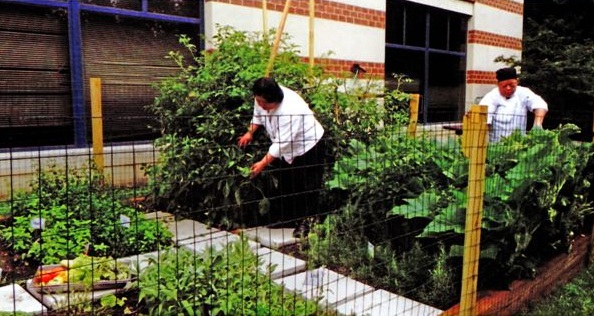
The desired size and mission of the corporate campus farm or garden will inform who should be involved with its day-to-day management and in what capacity. A small garden with a few containers of herbs can be managed by a couple of dedicated volunteers or perhaps a food service team. Typically, these gardens serve an educational purpose and aim to enhance the quality of campus environment over maximizing quantity of product produced. The Cafe Target Garden is an example of a small garden managed by a food service team.
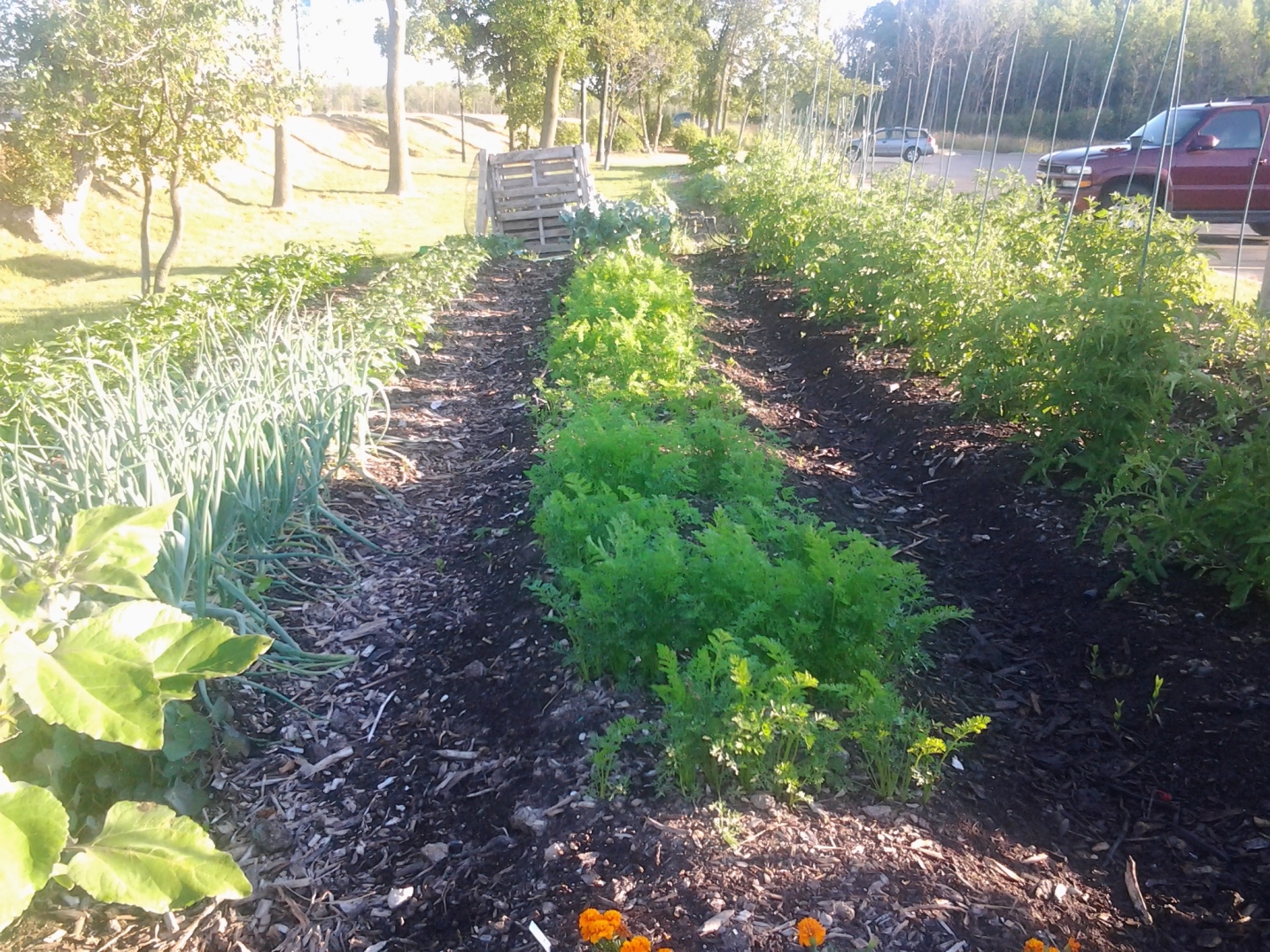
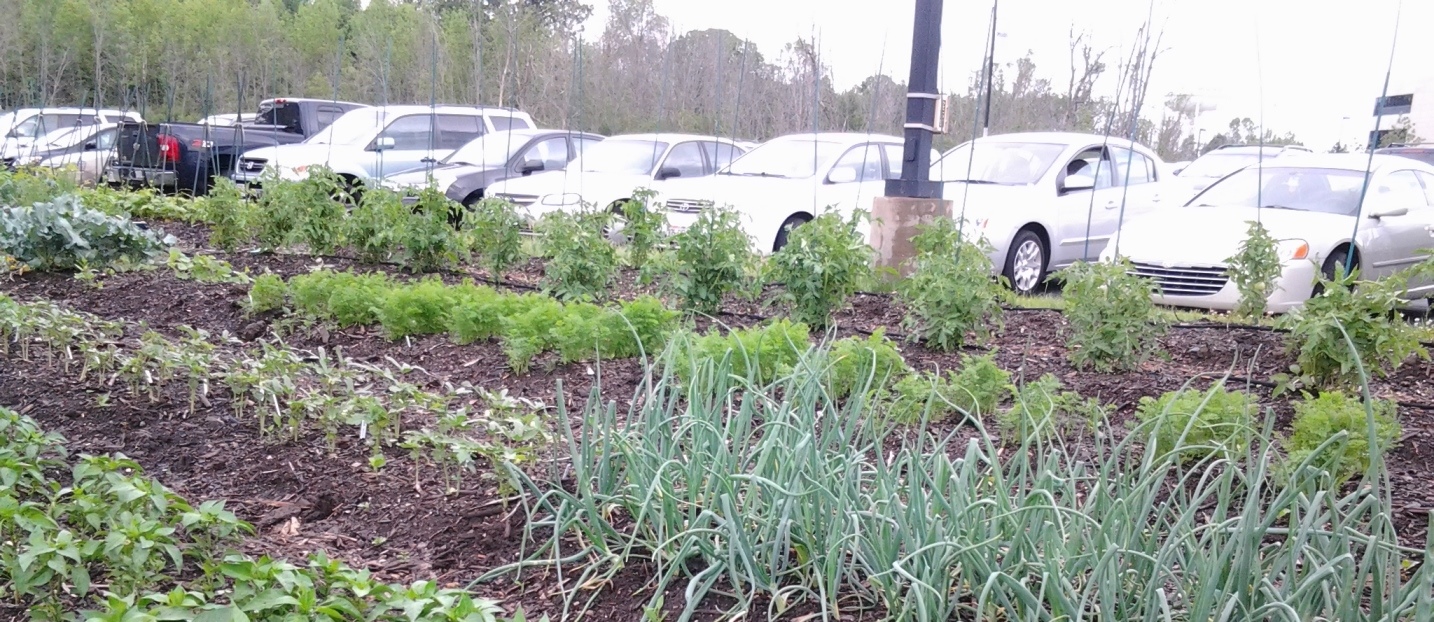
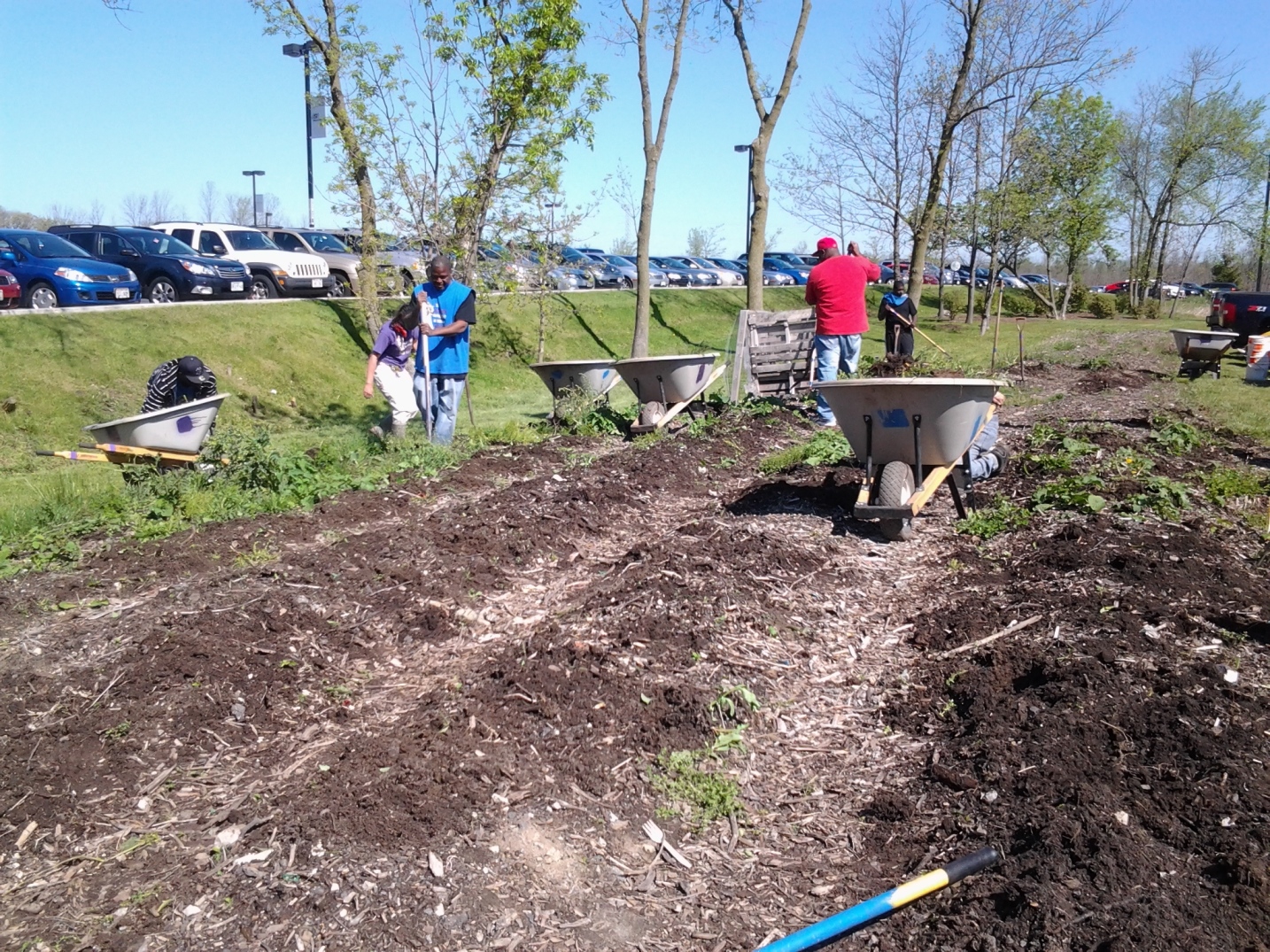
If the goal is to create a larger garden that yields greater quantities of produce to be featured in a campus café or other venue, additional stakeholders will likely need to be involved. Hiring a part-time gardener or consultant for even a couple of hours a week to keep the plants pruned, weeded, and watered can make all the difference. Or maybe an onsite associate is passionate about coordinating the garden efforts and can include it in his or her job description. For these larger growing spaces, also consider consulting the Grounds or Facilities Departments if applicable. These staff members may be able to keep tabs on the garden or water during weekends when others may not be present. (If you pursue this possibility, be aware that caring for a garden is different than landscaping and the grounds crew may need hands-on instruction.) The Kohl’s Garden is an examples of a garden managed with the assistance of part-time consultants or onsite associates.
As more groups and parties get involved with the garden, remember that team management is a task in and of itself. Collaborative projects require frequent communication to ensure all are working towards a collective vision and know their roles.
Garden Design and Management Partners:
Grow Your Lunch: Based in San Francisco, CA, Grow Your Lunch offers capacity building workshops and on-site professional development for corporate campus farms and gardens across the country.
Freight Farms: Freight Farms uses up-cycled freight container to create hydroponic growing systems. The company is based in Boston, MA.
Cityblooms: Based in Santa Cruz, CA, Cityblooms creates “modular micro-farms” that use hydroponic systems to grow fresh produce in under-utilized urban space such as rooftops, parking lots, and patios.
StartOrganic: StartOrganic is a Bay Area company which specializes in building and maintaining organic vegetables gardens in homes and local companies.